
Resources/Blog
Tell us about your vehicles, locations and requirements — we’ll recommend the right setup
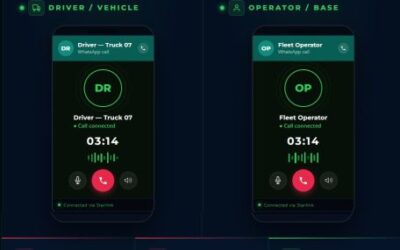
How to Track Vehicles in Remote Australia — Where Mobile Coverage Fails
If you manage a fleet that operates beyond the reach of Australia's mobile networks, you already know the problem. Your driver leaves the depot heading into the Pilbara, the Kimberley or outback Queensland — and within an hour, they've disappeared off the radar. No...
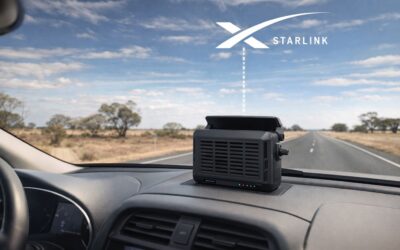
Starlink Fleet Tracking Explained — How It Works, What It Costs, and Who It’s For
Starlink has been one of the most talked-about technologies in remote Australia over the past two years. For homesteads, stations and regional businesses, it has provided internet access where none existed before. But for fleet operators, Starlink represents something...

Driver Fatigue Monitoring for Mining Fleets — How ADAS and DMS Technology Works
Driver fatigue is one of the most significant safety risks facing the Australian mining and resources industry. Long shifts, remote locations, and demanding driving conditions create an environment where fatigue-related incidents are not just possible — they are a...
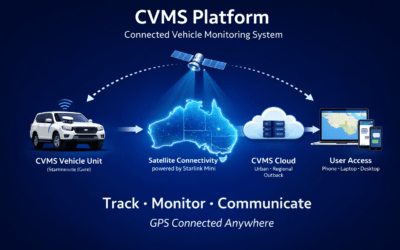
Fleet Tracking for Transport and Logistics in Australia — What Modern Operations Need
Australia's transport and logistics sector moves more freight across more distance than almost any comparable industry in the world. From metropolitan last-mile delivery to long-haul interstate runs and remote outback freight routes, Australian transport operators...
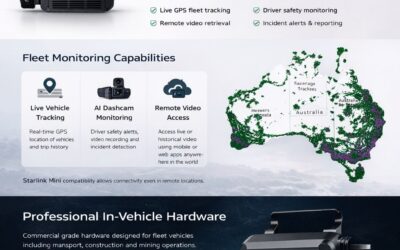
GPS Fleet Tracking for Construction and Field Services — Managing Vehicles Across Multiple Sites
Construction and field service operations present a distinct set of fleet management challenges. Unlike transport fleets that follow defined routes, construction vehicles move between job sites, depots and suppliers on variable schedules. Equipment may be deployed...